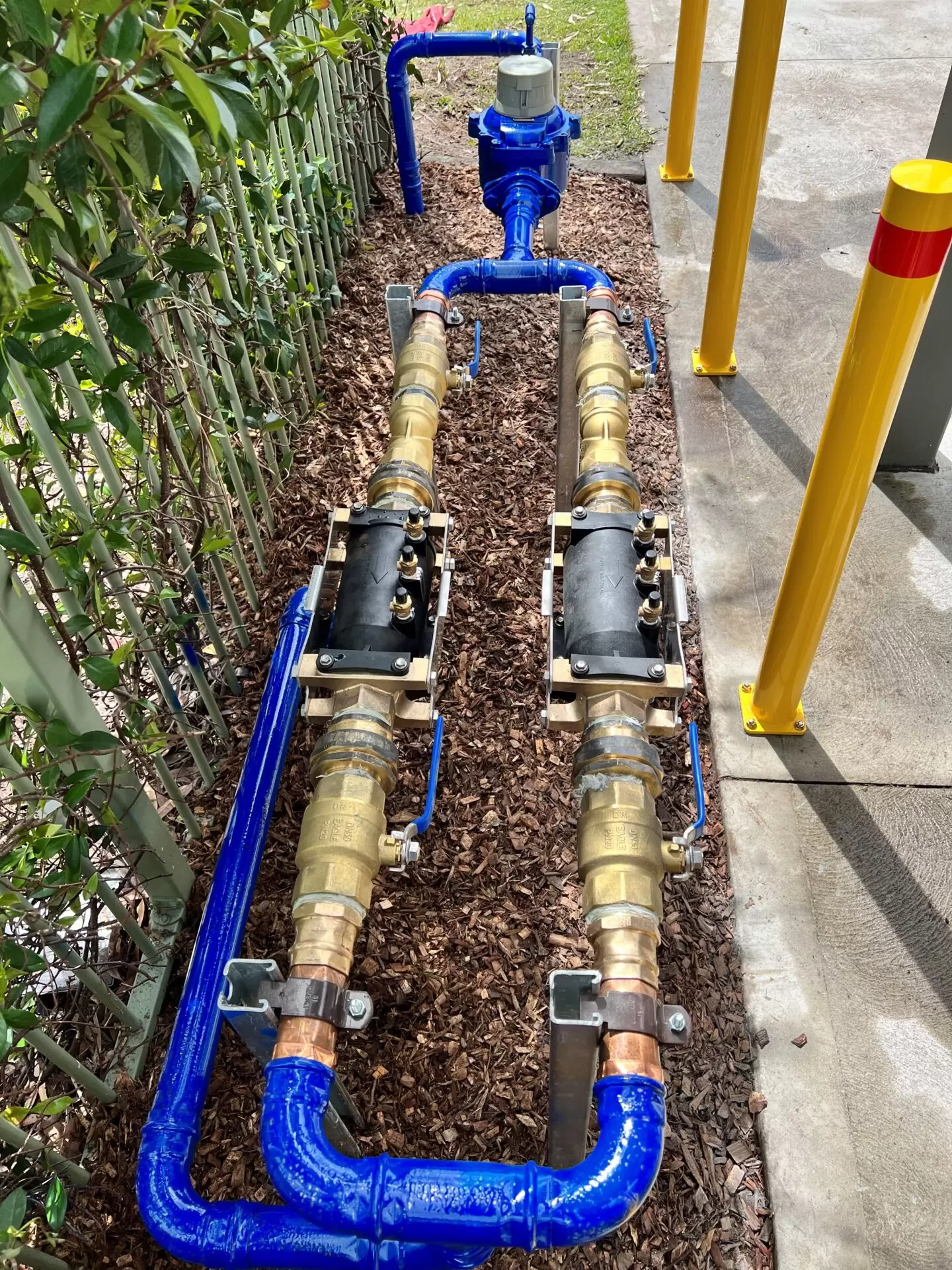
Legionella Control – Monthly Temperature Checks and Dead Leg Flushing
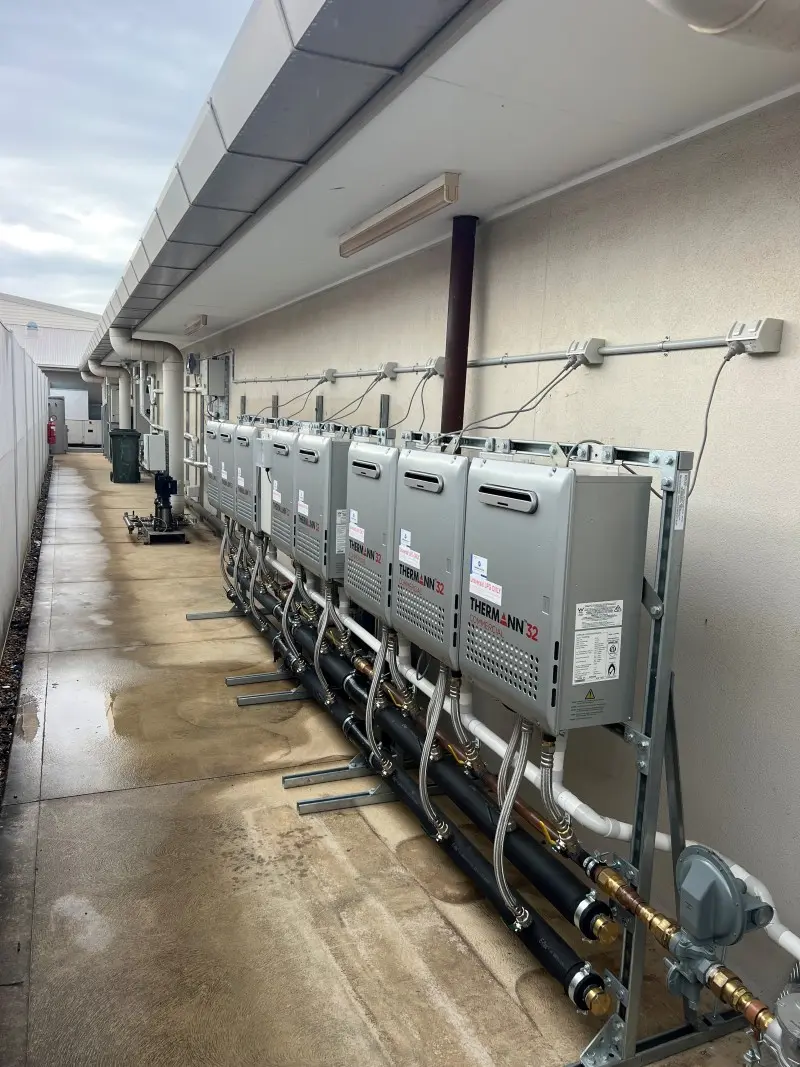
Monthly temperature monitoring and flushing of dead legs are critical control measures in aged care facilities to ensure the safety and compliance of warm water systems. These tasks help prevent the growth of Legionella bacteria, which can thrive in stagnant or lukewarm water between 20°C and 45°C.
Regular flushing promotes water movement through all outlets, eliminating stagnation in low-use or isolated pipework.
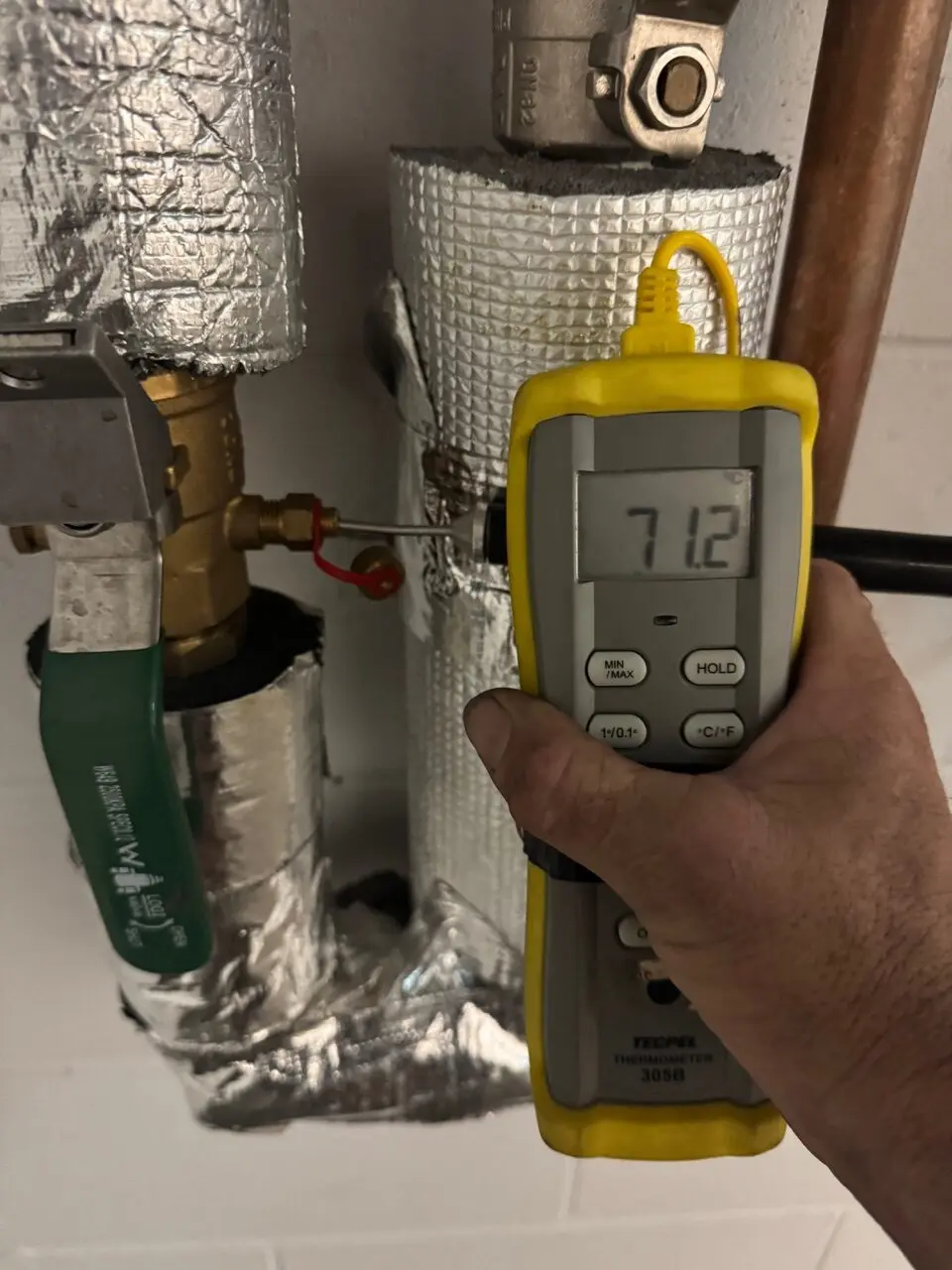
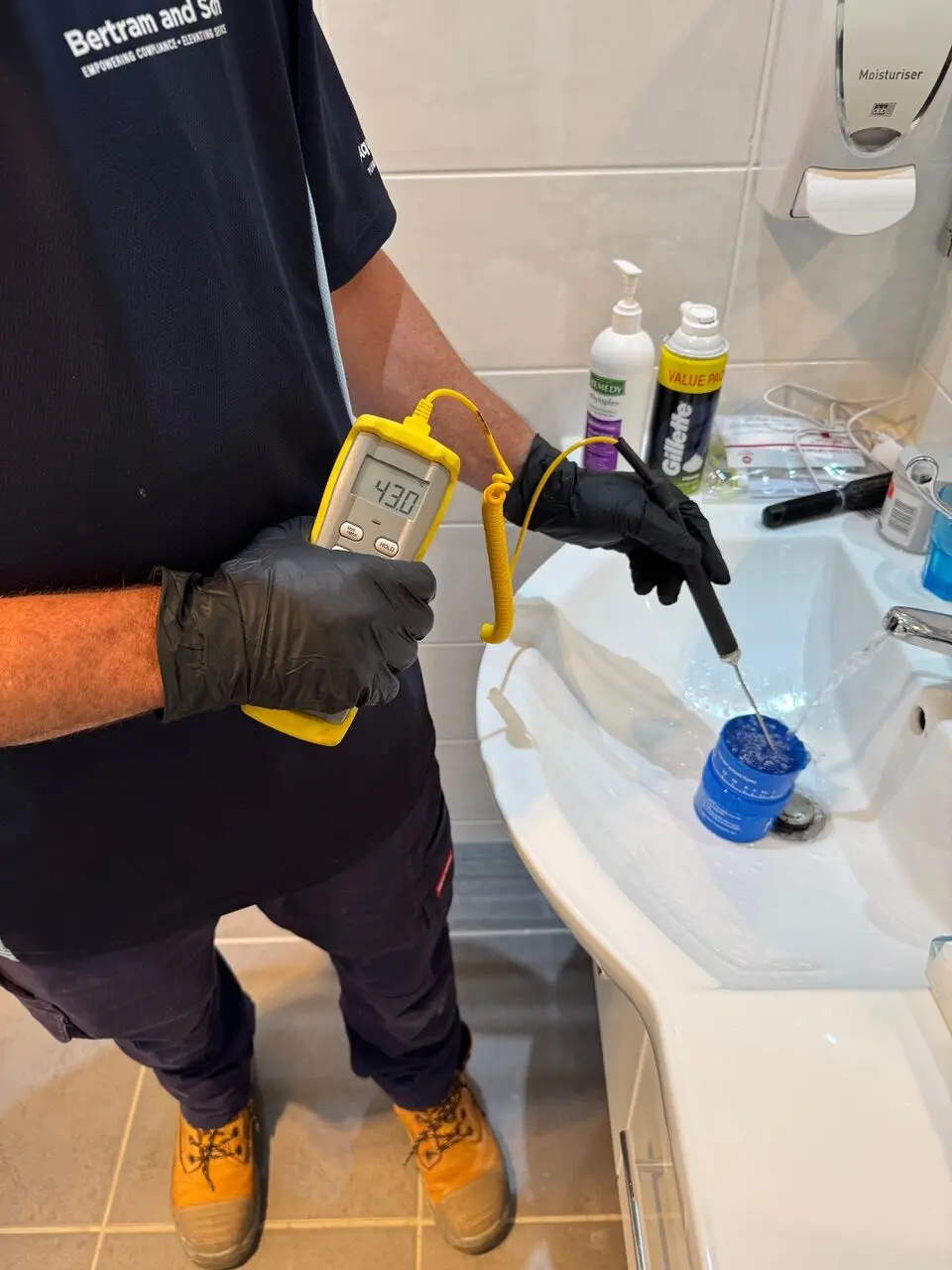
Temperature checks confirm that hot water is maintained at the required levels (minimum 60°C at the source and 50°C or 45°C at outlets, depending on the environment) and that cold water remains below 20°C. Maintaining these parameters minimises bacterial risk while ensuring outlet temperatures remain safe for residents.
Aged care residents are particularly vulnerable to Legionella infection; therefore, consistent monitoring and flushing form part of the facility’s Legionella Risk Management Plan as required under the NSW Public Health Regulation and enHealth Guidelines. Accurate records of monthly temperature checks and flushing activities must be maintained to demonstrate compliance and effective management of the facility’s warm water systems.
In aged care facilities, monthly temperature checks and flushing of dead legs (unused or rarely used pipe sections) are critical parts of Legionella risk management and scald prevention. Here’s why:
Legionella Prevention
Legionella bacteria thrive in stagnant or lukewarm water — typically between 20°C and 45°C.
“Dead legs” allow water to sit idle, creating an ideal breeding environment.
Regular flushing ensures fresh water movement, reducing stagnation and bacterial growth.
Temperature checks confirm that:
Hot water reaches at least 60°C at the source and 50°C at outlets (or 45°C in aged care to prevent scalds).
Cold water stays below 20°C to inhibit bacterial multiplication.


Aged care residents are highly vulnerable to Legionnaires’ disease due to weakened immune systems.
Maintaining correct water temperatures and flushing unused outlets helps prevent outbreaks that could cause serious illness or fatalities.
Compliance with Regulations
In NSW, under Public Health Regulation 2022 and enHealth Guidelines for Legionella Control, all aged care facilities must have a Legionella Risk Management Plan.
Monthly temperature monitoring and flushing are mandatory control measures to prove the system is being managed and maintained properly.
Records must be kept for audits, accreditation, and NSW Health inspections.
System Performance and Maintenance
Regular checks detect:
Faulty Thermostatic Mixing Valves (TMVs) not maintaining safe outlet temperatures.
Temperature loss in circulating systems or insulation issues.
Early detection helps prevent costly breakdowns or non-compliance notices.
Contact Us
Our Hot Water, Backflow and TMV Testing is all scheduled for me with prior notice. Legionella water samples collected and lab tested. Professional Reactive and Scheduled maintenance - Great Work.
Bertram's are a pleasure to work with on our PPM Schedule maintenance tasks. Highly Recommend !
Palm Lake Care has service agreements for Compliance Plumbing, Electrical, and Legionella Water Management at all our Aged Care Facilities. Excellent Service, Industry Knowledge, and reporting.










We pay respect to the Traditional Custodians and First Peoples of NSW, ACT and Queensland and acknowledge their continued connection to their country and culture.



 compliance@bertramandson.com.au